
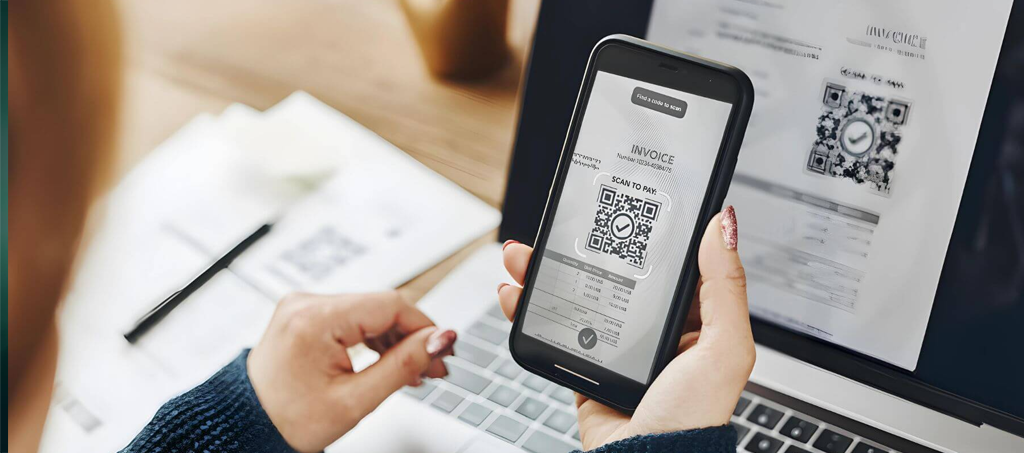
Cryptocurrency has completely changed how we handle
money, fast payments, instant transactions and complete
control over your assets. It's no wonder QR codes have
become so common in the crypto world. They make things
easy: scan and go. But lately, this convenience has come
at a hidden cost.
More and more individuals
are falling victim to QR code scams. These scams trick
you into scanning a malicious code that immediately
transfers your funds into the scammer's wallet without
refunds or any possibility of cancellation. If ever you
have exclaimed, "I just got scammed," you are not alone
and more importantly, there are ways to identify,
counter, and recover from these forms of scams.
At a basic level, QR codes used in crypto usually
contain wallet addresses. It is supposed to save you
time: all you need to do is scan a QR code with a crypto
wallet app and the app fills the recipient's address for
you.
They now make bogus QR codes that link
to the scammers' wallets under the guise of being for
giveaways, security checks, or tech support chats.
Crypto transactions are irreversible, meaning that once
you send your funds, they disappear forever.
The
scams look very professional and convincing. They
utilize fake websites under the guise of respected
brands or influencers, throwing news of fake urgency at
you, something along the lines of "You have to act now!"
All this is done to have you off guard.
You're browsing your crypto wallet or exchange, and a pop-up support chat tells you there's an issue with your account. They ask you to scan a QR code to verify or fix the problem.
On platforms like Telegram or X, scammers promise free tokens if you scan a QR code and send a small verification payment.
Scammers posing as celebrities or crypto firms promise "Double your money" deals, but only after you first scan the QR code and transfer crypto.
In response to natural disasters or crises, fake charity drives pop up with QR codes seeking donations in cryptocurrency.
At crypto-related events or meetups, the scammers plant phony flyers with QR codes promising "free tokens," but scanning them causes unauthorized transfer.
They essentially spread false trust and false urgency, and you end up taking that first step to acting before thinking.
If something doesn't quite sit well with you, something is surely wrong. Here are some red flags to be vigilant about:
If you realize you've been scammed, don't panic. Acting fast can still help:
Take screenshots of QR codes, conversations or chats related to the case, transaction details, wallet addresses and any other relevant information about scam.
Move anything that still contains cryptocurrency from that wallet to a new wallet that is never connected to suspicious sites or apps.
Contact your financial regulators right away, and report to a legitimate crypto recovery service such as Lost Funds Payback; they utilize blockchain analytics tools to track lost funds and recover them fast and legally.
If you've lost a large amount or the scam was complex, working with experts may increase your chances of getting some or all of it back.
Recovery professionals will first sit down with you (virtually or otherwise) to understand exactly how the scam happened. They'll review your transactions, messages, and timeline to develop a clear plan forward.
They collect such info as the QR codes, wallet addresses, transaction records and screenshots of chats. They piece together a clear and verifiable photo of the entire scam.
Whenever possible, they formally request or send a legal notice to exchanges or wallet providers for freezing the scammer's wallet or preventing withdrawal or laundering of the funds.
Depending on the case, the crypto can be traced on the blockchain, and a civil claim can urge the defendant to refund the money or the operators could proceed to act against these platforms directly. Every case is different, so the more tailored the approach is, the better the chance of recovering the funds.
These scams are not theoretical, they happen every
day.
A fake Coinbase support chat scammed a
user out of over $20,000 in one instance.They were told
to scan a QR code to "regain access" to their wallet.
Within a few minutes, the funds disappeared.
Another
investor was scammed by a fake token airdrop on social
media, with the QR code being their doom, for which
scanning it transferred their crypto to a smart contract
and immediately drained their wallet. There is no way to
reverse the transaction.
QR codes make crypto easy, but they also make it
dangerously easy to get scammed. One scan, and you are
done for. While patience and looking into sources are
key, trust your inner gut.
Remember, the
first step is to stop whatever is making you feel
uneasy. Do not get rushed or pushed by fake authority to
act fast. If you ever encounter a QR scam, please act
promptly, document all the details, and consider seeking
professional assistance if you deem it necessary. Doing
everything right and having their support makes it all
possible to recover the loss and prevent the incident
from happening again.